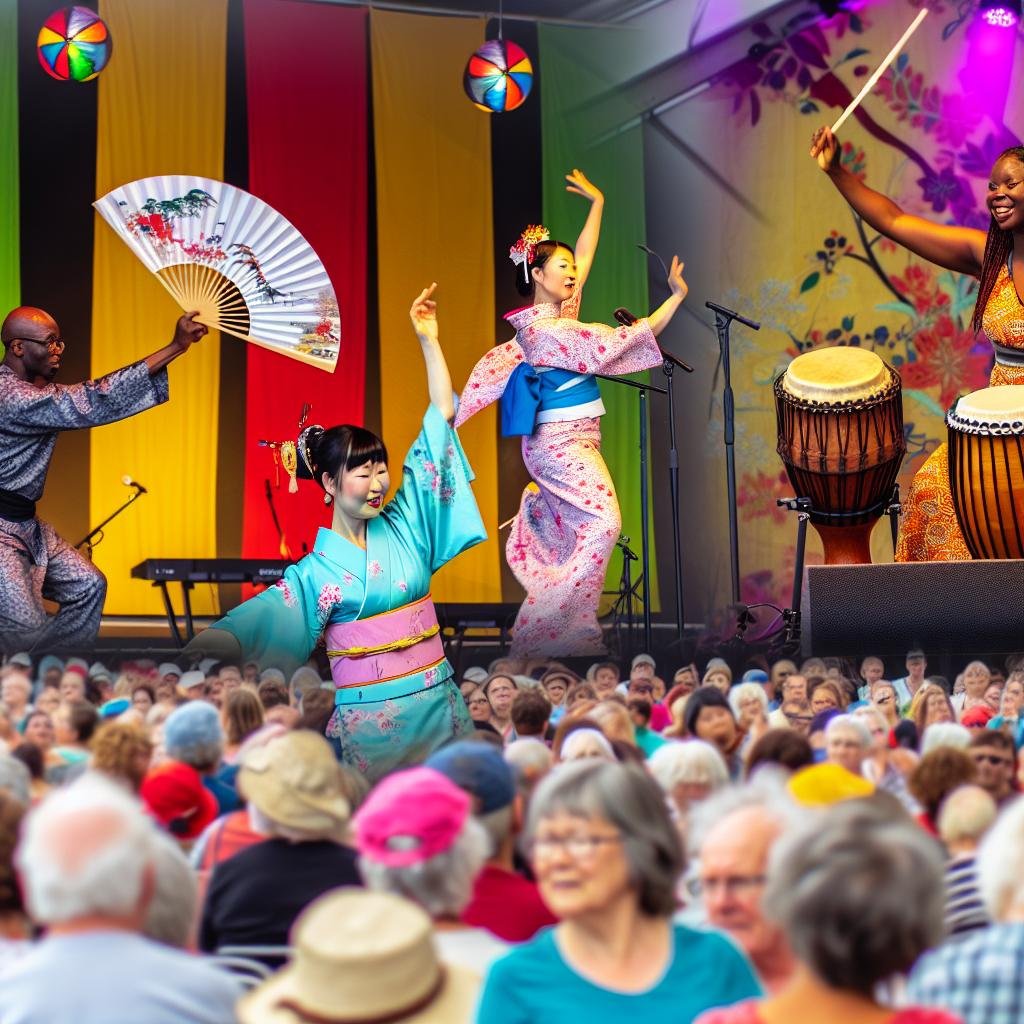
The whispers of the past often guide the footsteps of the future. Understanding Cultural Impact & Legacy isn't just about dusty history books or ancient artifacts; it's about recognizing the invisible threads that weave through your identity, your community, and the very fabric of society. It's the profound realization that everything we value, from the way we tell stories to the systems that govern our lives, carries the echo of generations past.
This isn't just theory. It's the living, breathing essence that gives meaning to our present and direction to our future.
At a Glance: Why Cultural Legacy Matters
- Your Roots: Connects you to your ancestors and their journey.
- Community Power: Builds unity through shared traditions and history.
- Life Lessons: Passes down wisdom to navigate modern challenges.
- Historical Respect: Fosters appreciation for past struggles and triumphs.
- Tradition's Strength: Keeps vital rituals and customs alive.
- Social Bridges: Promotes understanding across diverse groups.
- Inner Pride: Instills confidence and a sense of belonging.
- Active Preservation: Encourages safeguarding cultural treasures.
- Future Inspiration: Draws lessons from history to innovate and lead.
- Digital Reach: Technology now helps share and preserve legacy globally, but authenticity is key.
What Exactly is Cultural Impact & Legacy? The Invisible Glue of Generations
Think of cultural legacy as the rich tapestry woven from traditions, values, stories, beliefs, customs, and practices that a community passes down from one generation to the next. It’s an invisible, yet incredibly powerful, glue. This glue doesn't just connect individuals to their past; it actively shapes their present experiences and guides their future decisions. It defines who we are, both individually and collectively, encompassing everything from solemn ancient rituals to the vibrant expressions of contemporary art and thought.
The cultural impact is the ripple effect of these legacies—how they influence our norms, our innovations, and our very way of seeing the world long after their initial creation. It's not static; it's a dynamic force, constantly evolving as new contributions are made and new interpretations emerge. This ongoing dialogue between the past and present is what keeps a culture vibrant and relevant.
Why This Invisible Glue Matters So Much: Cultivating Identity and Community
The importance of cultural legacy can’t be overstated. It’s not merely a nice-to-have; it’s fundamental to human flourishing and societal stability.
Preserving Your Deepest Identity
At its core, cultural legacy ensures that future generations understand and connect with their roots. Without this connection, identity can feel shallow or fragmented. It’s like trying to navigate a dense forest without a map – you might move forward, but you won't know where you truly came from or why certain paths exist. Your legacy offers that map, providing context for your unique place in the world and anchoring your personal narrative to a larger, enduring story.
Strengthening Community Bonds
Shared traditions, a common history, and collective values act as powerful unifying forces. When people participate in the same customs, celebrate the same holidays, or remember the same historical moments, it forges a profound sense of belonging. This shared understanding reduces friction and builds a foundation of mutual respect, transforming a collection of individuals into a cohesive, resilient community. Think of how a shared national anthem or a local festival can instantly evoke a feeling of togetherness.
Guiding the Next Generation Through Life's Labyrinth
Every generation faces its own set of challenges and opportunities. Cultural legacy isn't just a nostalgic look back; it's a practical handbook. It transmits life lessons, wisdom gained through centuries of experience, and established ways of thinking that can help shape responses to new problems. From ethical frameworks to problem-solving approaches, the insights of your ancestors can provide invaluable guidance, saving countless hours of reinventing the wheel.
Building Respect for History
By engaging with our cultural legacy, we foster a deep appreciation for the struggles, achievements, and innovative spirit of those who came before us. This respect isn't about blind adherence; it’s about acknowledging the foundational work that has made our present possible. Understanding historical context allows us to learn from past mistakes and celebrate past triumphs, ensuring that the sacrifices and contributions of previous generations are not forgotten.
Strengthening Cherished Traditions
Rituals and customs are more than just repetitive actions; they are powerful conduits that link people to their ancestors and to the deeper meaning of their culture. Preserving these traditions ensures that the stories, values, and sense of continuity they embody continue to enrich lives. Whether it's a family recipe passed down through generations or a community-wide celebration, traditions are living acts of remembrance and connection.
Supporting Social Connection and Understanding
In an increasingly globalized world, cultural legacy promotes respect, understanding, and unity among diverse groups. When we learn about and appreciate the cultural heritage of others, it broadens our perspective and fosters empathy. It highlights our shared humanity while celebrating our unique expressions of it, building bridges rather than walls between different communities and nations.
Instilling a Sense of Pride
Knowledge of one's shared history and cultural accomplishments is a profound source of pride. It empowers individuals with a strong sense of identity and belonging, knowing they are part of something larger and enduring. This pride isn't boastful; it's a quiet confidence derived from understanding the richness and resilience of one's heritage, inspiring individuals to contribute positively to its ongoing story.
Encouraging Active Preservation
The tangible and intangible elements of cultural legacy don't preserve themselves. Awareness of their value drives efforts to protect traditions, languages, artifacts, and historical sites. This encourages proactive stewardship, from government policies and institutional funding to grassroots community initiatives, ensuring that these invaluable treasures are safeguarded for future generations to learn from and enjoy.
The Fabric of Legacy: Tangible & Intangible Threads
Cultural legacy isn't a monolithic concept; it's made up of distinct, yet interconnected, elements.
Tangible Cultural Legacy: The Visible Anchors
These are the physical artifacts and structures that stand as testaments to history, art, and values. They are the things you can touch, see, and experience directly. Think of monumental architecture like the Egyptian pyramids, the intricate carvings on ancient temples, breathtaking paintings, or sculptures that have inspired awe for centuries. These tangible elements serve as concrete evidence of human ingenuity and cultural expression. They are meticulously preserved in museums, heritage sites, and private collections, offering future generations direct windows into the past, allowing them to learn and admire the craftsmanship and thought of their predecessors. From the Great Wall of China to the libraries of Alexandria (even in their remnants), these physical markers are critical anchors of collective memory.
Intangible Cultural Legacy: The Living Spirit
More ephemeral, yet equally powerful, are the non-physical aspects of cultural legacy. These are the traditions, beliefs, rituals, languages, oral traditions, and folktales that transmit knowledge and values across generations not through stone, but through word, song, and action. Consider the art of storytelling, traditional music and dance forms, religious ceremonies, or the nuanced grammar of an ancestral language. These elements are living, breathing aspects of culture, constantly being performed, shared, and adapted. In our modern age, this also extends to new forms like digital art, evolving social media trends that create collective memory, and the shared knowledge base enabled by technology, demonstrating that legacy isn't just old; it's perpetually new.
Weaving Identity: How Legacy Shapes Who You Are
Cultural heritage plays a profound role in shaping individual and collective identity, providing a sense of belonging and continuity.
National Identity: The Collective Story
For nations, cultural legacy drives a sense of pride and patriotism, shaping shared values and fostering societal unity. Consider Japan's deep respect for its traditional customs, from the tea ceremony to martial arts, which are integral to its national character. Or Ireland's rich tapestry of folklore, music, and dance, which continues to bind its people and define its global image. These elements aren't just cultural quirks; they are foundational pillars that help define a nation's unique contribution to the world and unite its citizens under a common banner.
Regional Identity: Distinctiveness at a Local Level
Beyond national borders, cultural legacy reinforces local pride and distinctiveness within specific regions. Catalonia in Spain, for instance, maintains a strong regional identity through its unique language (Catalan), its distinctive festivals like human towers (castells), and its vibrant culinary traditions. These regional expressions provide inhabitants with a unique sense of belonging to a specific place, fostering a deep connection to their local landscape, history, and community that sets them apart even within a larger national context.
Family Identity: Your Personal Narrative
On the most intimate level, cultural legacy manifests through family stories, ancestral traditions, and inherited values. These personal legacies bind individuals to their immediate roots, offering a sense of where they come from and who they belong to. Perhaps it’s a specific holiday tradition, a family heirloom, or a story about a brave ancestor; these elements provide a continuity that strengthens family bonds and informs an individual's sense of self within the lineage.
Guardians of the Past: Preserving Cultural Legacy for Tomorrow
Safeguarding cultural legacy is an active, ongoing endeavor, vital for maintaining the richness of human experience.
Education: The Foundation of Understanding
One of the most powerful tools for preservation is education. Learning about heritage through school programs, cultural workshops, and exchange programs fosters appreciation from a young age. When children are taught about their history, their language, and their traditions, it instills a sense of value and responsibility to carry them forward. Educational initiatives also expose individuals to diverse cultures, fostering respect and understanding across different backgrounds.
Museums: Guardians of History
Museums serve as essential guardians of history, curating and showcasing artifacts and exhibitions that tell the stories of past civilizations and communities. They are not just repositories but active centers for research, conservation, and public engagement. By presenting historical narratives and tangible cultural objects, museums make the past accessible, allowing visitors to connect with history in a direct and often emotional way.
Archives: Preserving the Written Word
Archives are the silent keepers of documents, historical records, and various media that offer invaluable insights into cultural practices, societal structures, and individual lives. From ancient scrolls to digital records, archives safeguard the raw material of history. They provide researchers, historians, and the public with access to original sources, ensuring that the nuances and complexities of cultural development are preserved for future study and understanding.
However, preservation isn't without its challenges. Globalization, while bringing cultures closer, can also threaten cultural distinctiveness by homogenizing practices or overpowering local traditions with dominant global trends. This necessitates a strong, conscious commitment to preservation efforts, both locally and internationally, to ensure the unique voices and traditions of all cultures endure.
Echoes into Tomorrow: The Future Impact of Legacy
The impact of cultural legacy extends far beyond simply remembering the past; it actively shapes the future.
Inspiration for Modern Challenges
Cultural legacies offer a deep well of inspiration. Lessons learned from historical events, the resilience of past generations, and their remarkable achievements can guide us through modern challenges. Whether it’s studying ancient engineering solutions, philosophical approaches to governance, or artistic movements that sparked social change, history provides a powerful roadmap and a source of motivation for innovation and progress in our own time.
Valuing Diversity and Critical Thinking
Engaging with diverse cultural legacies promotes an appreciation for different perspectives and ways of life. This exposure fosters critical thinking, encouraging individuals to question assumptions, analyze information from multiple viewpoints, and understand the complex interplay of ideas. It moves society towards greater inclusivity, where various cultural contributions are valued, and diverse insights are leveraged for collective advancement. This open-mindedness is crucial for navigating an interconnected world and developing nuanced solutions to global issues.
Shaping Future Leaders
By providing a rich foundation of knowledge and values, cultural legacy helps to shape future leaders. Understanding historical contexts, ethical frameworks, and the long-term consequences of actions equips leaders with the wisdom to guide communities effectively. It ensures that progress is pursued not in a vacuum, but with respect for established traditions and a deep understanding of the human experience, fostering continuous growth while honoring the foundational principles that have sustained societies for centuries.
Iconic Legacies: Lessons from History's Deep Roots
Some cultural legacies have left an indelible mark on the world, their influence reverberating across millennia.
The Egyptian Civilization: Monumental Visions
Ancient Egypt gifted humanity with monumental architecture that continues to astound—the pyramids, the Sphinx, and grand temples. But their legacy extends far beyond stone. Their sophisticated writing system (hieroglyphs), advanced mathematics, medical knowledge, and profound religious beliefs influenced countless subsequent civilizations. Even today, the principles of their engineering inspire modern design, and their artistic motifs are echoed in contemporary aesthetics, showcasing an enduring impact on how we build, create, and conceptualize permanence.
The Greek Legacy: Foundations of Western Thought
Classical Greece laid the philosophical, democratic, artistic, and theatrical foundations for much of Western thought and culture. Thinkers like Plato and Aristotle shaped ethical inquiry and political science. The concept of democracy, originating in Athens, continues to influence governance worldwide. Greek art, with its emphasis on harmony and proportion, set aesthetic standards that endured for centuries, while Greek theater provided archetypes for storytelling and dramatic expression that resonate to this day. The very way we debate, reason, and value beauty owes an immense debt to this profound civilization.
The Harlem Renaissance: A Voice Unsilenced
In the 1920s, the Harlem Renaissance burst forth as a powerful cultural movement in African American communities. Writers like Langston Hughes and Zora Neale Hurston, artists like Aaron Douglas, and musicians like Duke Ellington challenged societal norms and stereotypes. This era fostered an explosion of creativity that redefined African American identity, celebrated Black culture, and injected vital new perspectives into American art and literature. Its impact continues to shape conversations on race, identity, and artistic expression, demonstrating how a concentrated cultural movement can bring about profound and lasting social change. When you consider the impact of cultural narratives, even those within popular media, you can start to Explore Marvels Daredevil Punisher and see how such stories contribute to a broader cultural impact over time, reflecting and sometimes even shaping societal perspectives on justice and heroism.
Digital Crossroads: Technology's Role in Legacy
The digital age has fundamentally transformed how cultural legacy is shared, accessed, and preserved, presenting both incredible opportunities and new challenges.
Digital Tools: Broadening Horizons
Modern technology, particularly digital tools, has revolutionized accessibility. Digital archives and virtual museums now allow anyone with an internet connection to explore artifacts, documents, and traditions from across the globe, transcending geographical barriers. Imagine taking a virtual tour of the Louvre or examining ancient manuscripts from a university library, all from your living room. This democratizes access to cultural heritage in unprecedented ways.
Digital Archives: Safeguarding for Eternity
Digitizing important materials—from fragile ancient texts to historical photographs and recordings—safeguards cultural resources against physical degradation, natural disasters, and conflict. Digital archives ensure that these irreplaceable treasures are preserved for posterity. Beyond preservation, they democratize access to history and knowledge, making it available to scholars, students, and enthusiasts worldwide, fostering a more interconnected global understanding of human heritage.
Social Media: The Collective Memory Machine
Platforms like Instagram, TikTok, and YouTube have become powerful conduits for sharing personal stories and cultural traditions. Users can post videos of traditional dances, share ancestral recipes, document family histories, and participate in cultural challenges. This fosters connection, allows for cross-cultural exchange, and contributes to a rapidly evolving collective memory that spans borders. It's a grassroots way for individuals to become active participants in the ongoing creation and sharing of cultural narratives.
However, this digital transformation comes with a crucial caveat: the balance between technological sharing and authenticity. There's a risk that traditions might be oversimplified, commodified, or stripped of their deeper meaning for commercial purposes or viral trends. It's essential to ensure that while technology enhances reach, it doesn't dilute the true essence and significance of cultural practices, preserving their integrity alongside their digital presence.
Your Role in the Ongoing Story: Connecting with Your Legacy
Cultural impact and legacy aren't just topics for academics or museum curators; they are living forces that invite your participation. Deepening your connection with cultural legacy can be a profoundly enriching experience, offering a stronger sense of self and a greater appreciation for the world around you.
Here’s how you can actively engage:
- Explore Local Customs: Start close to home. Attend local festivals, historical reenactments, or community events. Visit local museums, historical societies, or cultural centers. You might be surprised by the rich tapestry of traditions right in your own backyard.
- Support Cultural Initiatives: Whether it's volunteering at a historical landmark, donating to a cultural preservation fund, or simply purchasing tickets to a traditional performance, your support helps sustain these vital aspects of our heritage.
- Participate in Traditional Practices: If you have family traditions, embrace them. Learn to cook ancestral recipes, listen to elder’s stories, or learn a traditional craft. If you’re drawn to another culture, seek out respectful ways to learn and participate in its practices, always with an open mind and a genuine desire to understand.
- Engage with Diverse Voices: Read literature, watch films, and listen to music from different cultures. Seek out documentaries and discussions that explore various legacies. This broadens your perspective and fosters a more inclusive understanding of the human experience.
- Document Your Own Story: Start a family history project. Interview your relatives, collect old photographs, and record their stories. Your own family's legacy is a valuable part of the larger cultural mosaic, and you are a vital link in its preservation.
- Advocate for Preservation: Speak up for the protection of cultural sites, languages, and traditional arts. Support policies that fund arts education and heritage conservation.
By actively exploring, supporting, and participating in cultural legacy, you not only strengthen your own identity but also contribute to a more inclusive, understanding, and respectful society. You become a living part of the story, ensuring that the echoes of the past continue to inspire and guide generations to come.